When a high‑end boutique runs out of eco‑friendly packaging, the crisis feels like a luxury basket without a protective shell—uncomfortable, exposed, and a bit embarrassing. In this guide we’ll walk through practical ways to navigate the scarcity of sustainable materials while keeping the brand’s opulence intact. Whether you’re a designer, retailer, or brand strategist, you’ll find actionable steps, real‑world anecdotes, and a dash of humor to keep the mood light.
The Packaging Dilemma for Luxury Baskets
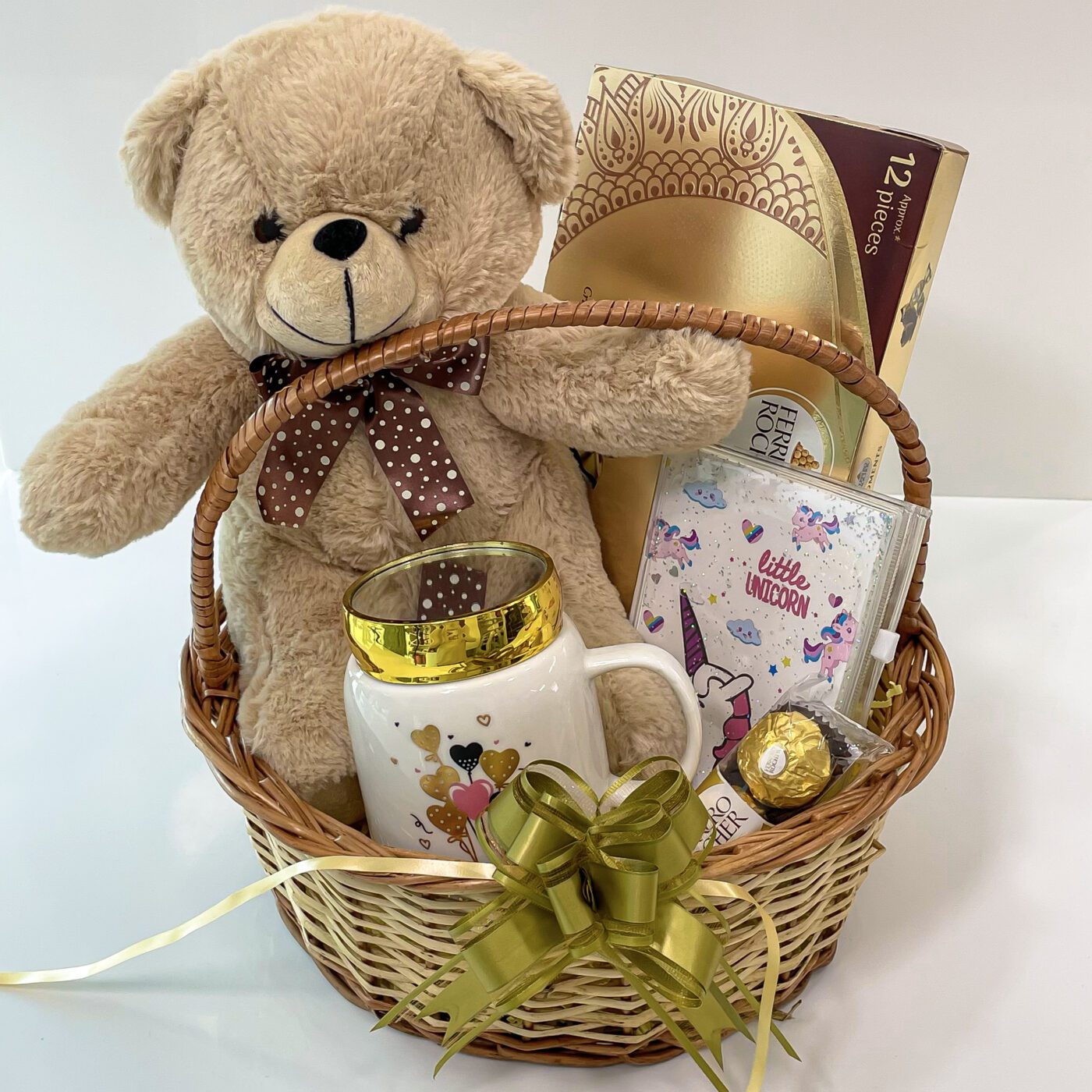
Luxury baskets thrive on tactile elegance: soft wicker, polished wood, and a visual story that whispers “you deserve the best.” Yet, the very same story can be marred when the packaging fails to match the product’s prestige. The lack of eco‑friendly options forces brands to juggle cost, image, and responsibility.
*Why does this happen?*
- Supply chain bottlenecks: Sustainable materials often have limited suppliers, leading to higher prices and longer lead times. Perceived value vs. actual cost: Luxury customers expect premium packaging, and they’re willing to pay for it—but not always for the added environmental cost.
These tensions create a perfect storm where the luxury brand must decide: compromise on sustainability, compromise on luxury, or find a creative middle ground.
Understanding the Root Causes of Limited Eco Options
Supply Chain Constraints
Sustainable packaging—think biodegradable fibers, recycled paper, or plant‑based plastics—has a smaller production base than conventional materials. This means fewer manufacturers, higher unit costs, and a more complex logistics network. The result? Luxury brands often face a “black market” of premium packaging that’s either out of reach or not truly green.
Cost vs. Perceived Value
A luxury basket’s packaging should feel as indulgent as the basket itself. Traditional high‑end materials like premium kraft paper or embossed cardboard convey that sense. Switching to eco‑friendly alternatives can sometimes feel “cheap” to the eye, even if the environmental benefit is significant. Brands struggle to balance the optics of luxury with the economics of sustainability.
Strategies to Handle Lack of Eco‑Friendly Packaging Options
Customization Through Reusable Alternatives
Reusable packaging turns the problem into an opportunity. Instead of a single‑use wrapper, consider:
- A silk or linen pouch that can be repurposed as a storage bag. A wooden box that doubles as a decorative piece. A canvas tote that customers can keep and use long after the basket is delivered.
These options not only reduce waste but also reinforce the luxury narrative—customers feel they’re receiving a gift that keeps on giving.
Partnering with Niche Suppliers
Small‑scale suppliers often have a deeper commitment to sustainability and can offer bespoke solutions. By View website forging relationships with niche producers:
- You can negotiate better pricing through long‑term contracts. You gain access to unique materials that set your brand apart. You support local economies, adding another layer of brand storytelling.
Creative Rebranding of Existing Materials
If eco‑friendly options are scarce, think of rebranding what you already have. For instance:
- Use recycled paper but add a hand‑stamped gold foil logo for a luxe feel. Wrap baskets in a high‑quality, biodegradable fabric that’s dyed in muted, sophisticated tones. Offer a “green” edition of the basket with a minimalist design that highlights the eco aspect.
These subtle tweaks can shift perception without compromising the product’s high‑end appeal.
Case Study: A Boutique's Quick Fix
Picture a boutique in Florence that specializes in artisanal baskets. One winter, their usual supplier of recycled kraft paper ran out, and the boutique’s owner, Lucia, faced a dilemma: either delay orders or find a replacement. Lucia decided to partner with a local textile mill that produced a biodegradable linen blend. She wrapped the baskets in the linen, adding a small, hand‑stitched label that read, “Sustainably sourced, exquisitely crafted.” The result? Customers praised the elegant packaging, and the boutique gained a reputation for thoughtful sustainability.
This anecdote shows that even a single, well‑chosen material can turn a packaging crisis into a marketing triumph.
The Role of Consumer Education and Brand Storytelling
Educating your audience is half the battle. When consumers understand the environmental impact of their choices, they’re more likely to appreciate the effort behind pamper hampers eco‑friendly packaging.
- Share behind‑the‑scenes videos that show the packaging process. Highlight the lifecycle of your materials—how they’re sourced, used, and disposed of. Use storytelling to connect the basket’s heritage with its modern, sustainable twist.
A well‑crafted narrative can transform a logistical challenge into a brand value proposition.
> “Sustainability is not a trend; it’s a responsibility.” – Unknown
The Future Landscape and How to Stay Ahead
- Invest in R&D: Allocate a portion of your budget to research new sustainable materials that match luxury standards. Build a diversified supplier base: Avoid overreliance on a single source. Monitor regulatory changes: Governments worldwide are tightening packaging regulations; staying ahead keeps you compliant. Engage in industry coalitions: Collaborate with other luxury brands to share best practices and bulk‑purchase eco‑friendly materials.
By proactively addressing these areas, you’ll be better positioned to handle any future packaging shortages without compromising your brand’s integrity.
Making Your Selection Count
When the eco‑friendly packaging options are limited, the key is to choose wisely and communicate that choice effectively. Think of your packaging as the first impression of a luxury basket—a subtle but powerful cue that sets the tone for the entire experience. By blending creativity, strategic partnerships, and consumer education, you can transform a packaging shortfall into an opportunity to deepen brand loyalty and showcase your commitment to sustainability.
Ready to rethink your packaging strategy? Start by evaluating your current suppliers, explore reusable alternatives, and tell your customers why your choice matters. Your luxury baskets—and the planet—will thank you.