When you open a glossy box that promises the finest Australian treats—artisan cheeses, premium wines, hand‑crafted chocolates—you expect a symphony of flavors, not a discordant clatter of cheap plastic wrappers and bland tastes. Yet many recipients find themselves staring at a hamper that feels more like a bargain bin than a luxury experience. Why are items in my Australian luxury hamper of low quality? Let’s dig into the layers of this conundrum, from packaging mishaps to supplier shortcuts, and discover how you can spot the red flags before you take the plunge.
Understanding the Luxury Hamper Market
What Defines Luxury in Australia
Luxury isn’t just about price tags; it’s about authenticity, provenance, and the story behind each item. Australian luxury hampers typically feature:
- Locally sourced produce – berries from the Hunter Valley, macadamia nuts from Queensland farms. Artisanal craftsmanship – cheeses aged in cedar barrels, chocolates molded by master chocolatiers. Premium packaging – biodegradable, recyclable, often hand‑stitched or embossed.
When these elements are missing, the hamper’s “luxury” label feels like a paper weight.
Common Sources of Low-Quality Items
The industry’s supply chain can be as tangled as a bowl of spaghetti. Low‑quality items often sneak in through:
- Third‑party distributors who cut corners to keep prices low. Bulk imports that compromise on freshness for the sake of volume. Mislabeling where a “premium” product is actually a generic alternative.
If you ask the seller, “Why are items in my Australian luxury hamper of low quality?” they might shrug and point to “supply chain constraints.” The truth is, the constraints are often intentional.
The Packaging Puzzle
Shipping Stress and Its Effects
Imagine a fragile egg traveling across continents. The egg is the product, the journey is the shipping route, and the packaging is the protective shell. A flimsy wrapper is like a cracked shell—once the egg hits the ground, the yolk spills out. Shipping stress can:
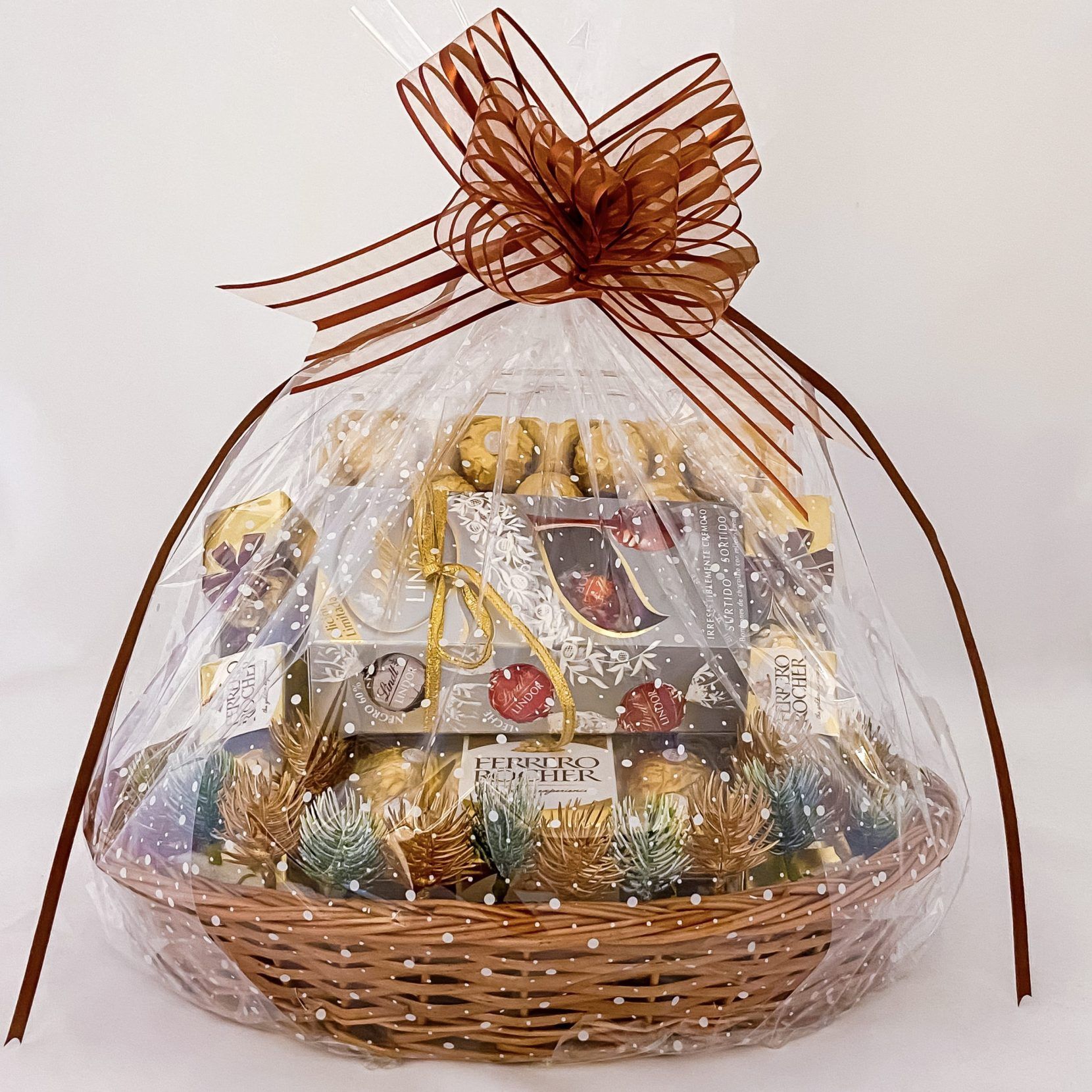
- Damage delicate items – soft cheeses may lose texture. Alter flavors – wine exposed to heat can develop off‑notes. Compromise hygiene – inadequate seals lead to contamination.
When a hamper’s contents are battered, the end result feels cheap, no matter how expensive the label.
The Role of Customs and Duty
Customs can be a double‑edged sword. On one hand, they protect local markets; on the other, they can delay delivery and expose products to harsh conditions. If a hamper is stuck in a customs warehouse for weeks, the items may:
- Swell or shrink due to temperature fluctuations. Develop mold if moisture is trapped. Lose their “wow” factor as freshness wanes.
So, a low‑quality experience can stem from a bureaucratic bottleneck rather than a supplier’s negligence.
Quality Control: Who’s Watching?
Supplier Standards
The first line of defense is the supplier’s own quality assurance. Reputable Australian producers follow stringent guidelines:
- Harvest timing – picking fruit at peak ripeness. Processing protocols – minimal additives, natural preservation. Packaging inspections – ensuring seals, labels, and barcodes are flawless.
When these standards slip, the hamper’s contents suffer. The question becomes, “Why are items in my Australian luxury hamper of low quality?” because the supplier’s oversight may be lax.
Brand Reputation vs. Real Reality
A brand’s reputation is like a lighthouse—guiding buyers toward safe harbor. Yet, sometimes the lighthouse is merely a polished façade. A luxury brand may outsource production to cheaper Alcohol-free hampers overseas factories, leading to:
- Inconsistent product quality – the same label on a sub‑par item. Misleading marketing – using “Australian” as a buzzword without genuine provenance. Customer disappointment – the mismatch between expectation and reality.
If you’ve ever bought a “premium” bottle that tasted like a bargain bin, you know the dissonance all too well.
Spotting the Red Flags
- Packaging that feels flimsy – no sturdy cardboard, cheap plastic. Labels with vague origin claims – “Australian” but no specific region. Price too good to be true – a luxury hamper that costs less than a supermarket basket. Missing certifications – no organic, no fair‑trade seals. Delayed delivery – shipments arriving weeks after purchase.
If you see more than two of these, it’s a clear warning sign.
A Real‑Life Anecdote
Last summer, I ordered a “hand‑crafted” Australian hamper for a corporate gift. When it arrived, the chocolate bars were oddly soft, the cheese had a rubbery texture, and the wine had a slight metallic aftertaste. I called the supplier, only to hear a scripted apology and a promise to investigate. Turns out, the chocolates had been shipped in a temperature‑controlled container that failed mid‑journey. The cheese had been sourced from a third‑party distributor that had cut costs by using a cheaper aging process. The wine, meanwhile, had been mislabeled—what I thought was a boutique vineyard was actually a bulk supplier. That experience taught me that “luxury” is only as good as the chain that delivers it.
Expert Insight
> “Quality is not an act, it’s a habit.” – Aristotle
This quote rings true in the luxury hamper industry. A single lapse in quality control can tarnish an entire brand’s reputation. When you ask, “Why are items in my Australian luxury hamper of low quality?” the answer often lies in a momentary slip—a rushed shipment, a mislabelled batch, or a supplier that prioritized cost over craft.

Making Your Selection Count
Choosing a luxury hamper is a bit like picking a fine wine: you need Bath & body products to trust the source, read the labels, and, most importantly, ask the right questions. Before you click “buy,” consider:
- Ask for provenance details – where were the products grown, processed, and packaged? Check for third‑party certifications – organic, fair‑trade, or local‑producer seals. Read recent reviews – do customers consistently praise the freshness and authenticity? Verify return policies – can you return items that don’t meet expectations?
By taking these steps, you’ll reduce the risk of receiving a hamper that feels more like a budget bundle than a luxury experience. And if you do encounter a low‑quality item, remember that the answer to “Why are items in my Australian luxury hamper of low quality?” may be a simple misstep in the supply chain—a glitch that can be corrected with better oversight.
The next time you unwrap a box that promises the best of Australia, let it be a celebration of true craftsmanship, not a lesson in what can go wrong. Happy gifting, and may your hampers always deliver the luxury they promise.